
Sysmac vs. Traditional Automation Systems

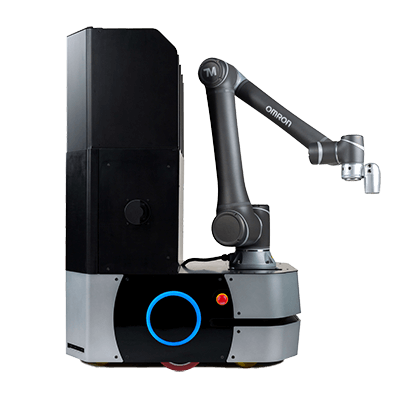
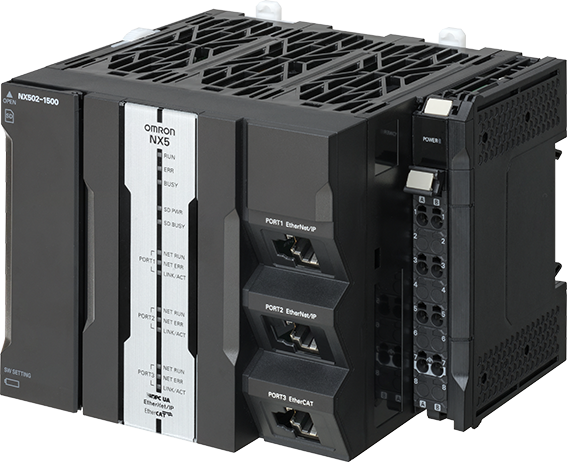


Let’s talk about Sysmac vs. Traditional Automation Systems as the right system can make or break your operational efficiency. While traditional automation systems may have gotten the job done in the past, today’s industry demands more. That’s where Omron’s Sysmac platform steps in! At PTS, we specialize in helping manufacturers transition to Sysmac, unlocking new levels of efficiency and productivity.
Traditional Automation Systems: A Fragmented Approach
Traditional automation systems rely on separate controllers, networks, and software, but their limitations surface under rising production demands and tight deadlines. Here are the key drawbacks of traditional automation systems:
- Multiple Software Programs: Engineers often need to learn and manage different programs for various automation tasks like vision, motion, or robotics.
- Limited Interconnectivity: Communication between different systems often requires custom solutions, adding to the complexity.
- Higher Downtime: Troubleshooting disparate systems can take longer, leading to costly delays.
- Inefficiencies in Data Sharing: Data collected from different systems is siloed, making it harder to gain actionable insights for optimization.
Why Sysmac is a Game-Changer
Built on the idea of “One Controller, One Connection, One Software,” Sysmac unifies motion, robotics, vision, safety, sensing, and data into a single platform. Here’s why it shines:
- Open Networks for Flexibility: Sysmac complies with global standards like IEC 61131 and supports protocols like EtherNET/IP™ and EtherCAT® for easy integration and faster setup.
- Seamless Integration: Sysmac simplifies automation by integrating various systems into one central platform. Therefore, there is no more juggling multiple software programs or trying to make different components communicate effectively.
- Advanced Troubleshooting: Sysmac’s real-time monitoring simplifies identifying and fixing issues quickly. As a result, this helps minimize downtime and delays.
- Enhanced Data Management: The platform gathers and shares data across all systems. This enables manufacturers to make informed, productivity-boosting decisions.
- Future-Ready: Sysmac’s adaptability makes it ideal for modern manufacturing environments, allowing businesses to scale and meet evolving industry demands.
How PTS Facilitates a Smooth Transition
As an Omron strategic partner, the experts at PTS bring years of expertise and a hands-on approach to help manufacturers make the leap to this innovative platform. Here’s how we make the transition seamless:
- Customized Implementation: Our team starts by assessing your current automation setup to identify your needs, ensuring a Sysmac solution fits seamlessly into your processes.
- Comprehensive Training: We empower your team with hands-on training and support, ensuring they’re well-equipped to utilize Sysmac’s features to their fullest.
- Ongoing Support: From troubleshooting to system optimization, PTS is with you every step of the way to maximize your investment in Sysmac.
At PTS, we don’t just sell solutions; we build partnerships! As your trusted Omron distributor, we’re here to guide you through every step of the Sysmac transition and beyond. We hope this blog gave you a better understanding on Sysmac vs. Traditional Automation Systems. In addition, be sure to contact us today to learn more!
CLIENT TESTIMONIALS
See what our clients have say about our services and professional approach.